
Progressive Rummy Rules: How the Card Game Works and Key Variations
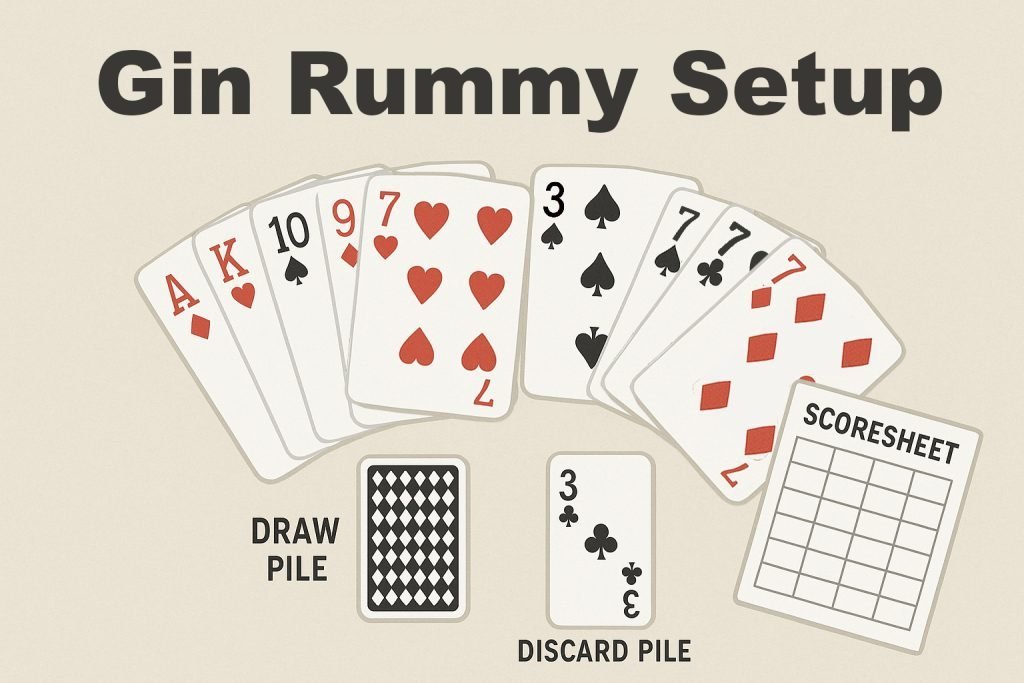
Progressive rummy is a card game variant where the number of cards dealt increases each round. It typically starts with 7 cards and adds 1 card per round up to 13, using a standard 52-card deck with 2 to 6 players.
What Is Confirmed and What Remains Unverified About Progressive Rummy
The game is also known as Liverpool Rummy in some regions. However, the exact inventor and the first published rules remain unverified. Some sources claim it was first played in the United States, but no definitive evidence supports a specific location. The rule that players must lay down a minimum of 51 points in melds is common but not universal; house rules vary significantly. Background on progressive rummy rules is documented in How to Play Progressive Rummy | Official Rules
Timeline of Key Moments in Progressive Rummy History
The earliest known references to progressive rummy appear in mid-20th century game rulebooks. By the 1970s, the variant had gained popularity in social and family settings. The rise of online gaming platforms, such as Board Game Arena, brought progressive rummy to a digital audience in the 2000s. In recent years, mobile apps have further expanded its reach. Despite its long history, no official governing body has standardized the rules, leaving room for regional and house variations.
| Round | Cards Dealt | Typical Melds Required |
|---|---|---|
| 1 | 7 | One set or run |
| 2 | 8 | One set or run |
| 3 | 9 | Two sets or runs |
| 4 | 10 | Two sets or runs |
| 5 | 11 | Three sets or runs |
| 6 | 12 | Three sets or runs |
| 7 | 13 | Four sets or runs |
Common Misconceptions Clarified With Sourced Facts
One misconception is that progressive rummy is the same as contract rummy. While similar, contract rummy has fixed meld requirements per round, whereas progressive rummy increases the number of cards dealt. Another myth is that jokers are always wild; in many house rules, jokers are used as wild cards, but some variations exclude them. Some players believe the game ends when one player reaches 500 points, but the target score can vary. The rule that players must draw from the stock or discard pile each turn is standard, but not universal.
How Progressive Rummy Differs From Traditional Rummy and Other Variants
Traditional rummy deals a fixed number of cards (usually 10 or 13) and does not increase per round. In contrast, progressive rummy escalates the challenge by adding cards each round. Another variant, gin rummy, focuses on forming melds with fewer cards and has a different scoring system. Liverpool rummy, often used interchangeably with progressive rummy, sometimes includes additional rules like requiring players to lay down a minimum point value. The use of jokers as wild cards is more common in progressive rummy than in traditional rummy.
Frequently Asked Questions
Why does the number of cards increase each round in progressive rummy?
The increasing card count adds difficulty and strategy as the game progresses. Players must adapt their hand management and meld formation to the growing hand size, making later rounds more challenging.
Is it true that progressive rummy is also called Liverpool rummy, and is that confirmed?
How many players can play progressive rummy?
Progressive rummy is typically played with 2 to 6 players. A standard 52-card deck is used, and for more than 4 players, a second deck may be added to ensure enough cards.
Where was progressive rummy first played?
The exact location where progressive rummy originated is unverified.
How does progressive rummy differ from contract rummy?
In contract rummy, each round has a specific meld requirement that changes, while progressive rummy increases the number of cards dealt. Contract rummy often has fixed meld patterns, whereas progressive rummy allows any valid melds.
Key Strategies for Winning at Progressive Rummy
Successful progressive rummy players focus on discarding high-value cards early to minimize potential losses. Observing opponents’ discards can reveal which melds they are building. Holding onto wild cards like jokers until later rounds often provides flexibility. It is generally advisable to lay down melds as soon as possible to reduce deadwood. However, some players prefer to wait for a larger meld to gain a scoring advantage. Balancing risk and reward becomes crucial as the hand size grows.
How House Rules Shape the Game Experience
House rules significantly influence how progressive rummy is played. Common variations include requiring a minimum point value for initial melds, allowing or disallowing jokers as wild cards, and setting different target scores. Some groups play with a “buy-in” rule where players can purchase extra cards from the discard pile. Others enforce a “no laying off” rule, preventing players from adding to existing melds. These variations mean that players should always clarify the rules before starting a game to avoid confusion.