Mayan Teeth Gems: Ancient Dental Inlays and Modern Cosmetic Trends
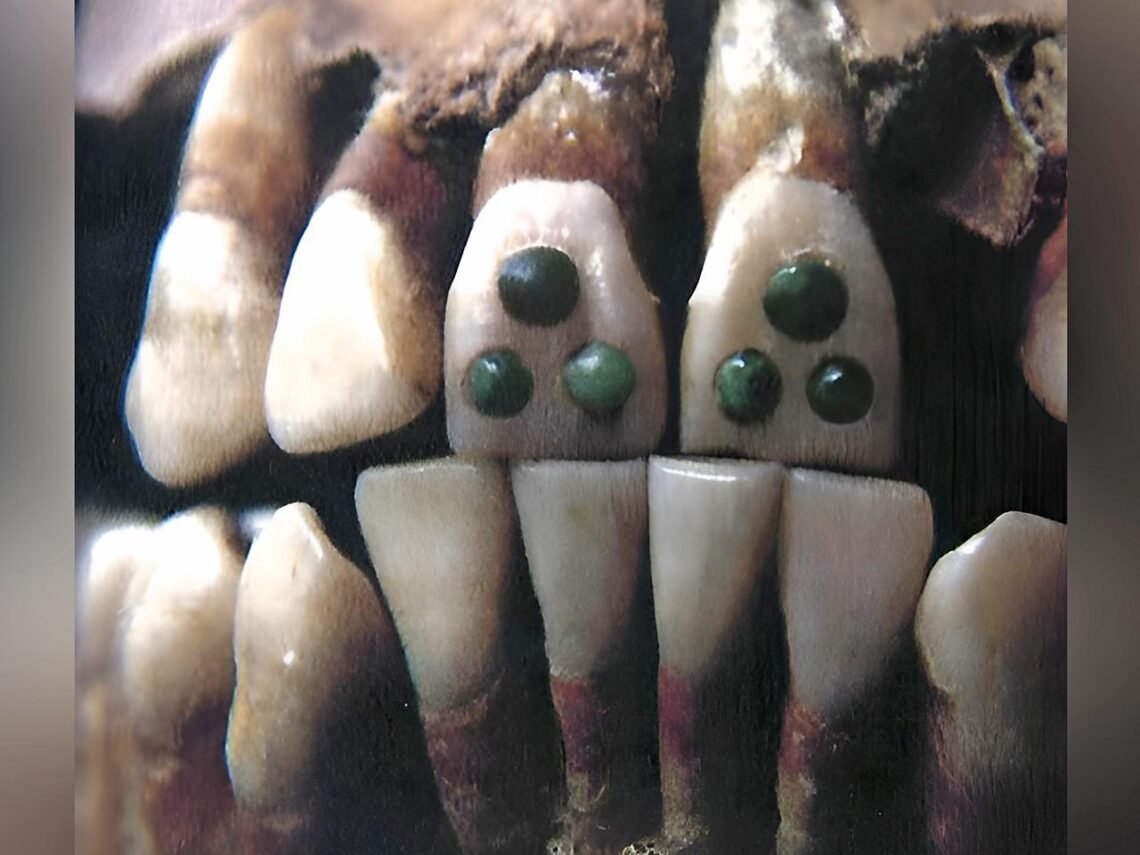
Mayan teeth gems were decorative inlays of jade, turquoise, or pyrite set into drilled cavities in front teeth. This practice was common among the Maya elite from around 300 BCE to 900 CE. Teeth were filed into shapes like T-shapes or points before gem insertion. For a complementary read on the same theme, see How to Withdraw Money from Phantom Wallet: A Step-by-Step Guide
How the Ancient Maya Prepared and Adorned Their Teeth
The adhesive used was a natural cement made from plant resins and bone ash. Drilling was done with a bow drill and abrasive sand, often without pain relief. Evidence of tooth gems appears in Maya archaeological sites like Tikal and Copán. The Maya also used obsidian and hematite for inlays, not just jade. Tooth gemming was part of broader Maya dental modification, including filing and staining. A reference profile of the subject is maintained on Grill (jewelry)
Gems symbolized status, beauty, and religious devotion in Maya society. The process was likely performed by skilled artisans or healers. The practice declined after the Spanish conquest, but its legacy endures.
Modern Revival of Mayan Teeth Gems in Pop Culture
Modern “Mayan teeth gems” refer to temporary cosmetic jewelry glued onto teeth. This trend resurged in the 2010s, popularized by celebrities like Rihanna and Katy Perry. Unlike ancient inlays, modern gems are attached with dental adhesive and can be removed. The American Dental Association warns that modern tooth gems can cause enamel damage if not applied or removed properly. A reference profile of the subject is maintained on Ancient Maya Practice of Gluing Gemstones Onto Teeth May … – ScienceAlert
The trend has sparked interest in ancient Maya culture, but the techniques differ greatly. Ancient inlays required drilling into the tooth, while modern gems are surface-mounted. Some people seek permanent gem implants, but these carry higher risks.
What Is Confirmed and What Remains Unclear About Ancient Practices
However, the exact social status of those who received gems is not fully understood. It is unclear whether the practice was limited to royalty or extended to the broader elite. The pain management methods, if any, remain unknown.
Modern cosmetic dentistry has revived the aesthetic, but the ancient techniques are not replicated. The long-term health effects of ancient inlays are also uncertain, as few well-preserved teeth have been studied.
Why Understanding Mayan Teeth Gems Matters for Dental History
Studying Mayan teeth gems provides insight into the advanced skills of ancient Mesoamerican artisans. It also highlights the cultural importance of dental modification across civilizations. For modern dentistry, the trend serves as a cautionary tale about enamel damage from cosmetic procedures. As interest in ancient beauty practices grows, understanding the original context helps separate historical fact from modern marketing.
Frequently Asked Questions
What materials were used for Mayan teeth gems?
The Maya used jade, turquoise, pyrite, obsidian, and hematite for tooth inlays. These materials were chosen for their color, hardness, and symbolic meaning. Jade was especially prized for its green color associated with life and fertility.
How did the Maya drill holes in teeth without pain relief?
They used a bow drill with a hard stone tip and abrasive sand to slowly grind into the enamel. The process was likely painful, but no evidence of pain relief has been found. Some individuals may have used herbal remedies.
Are modern tooth gems the same as ancient Mayan inlays?
No. Modern gems are glued onto the tooth surface with dental adhesive, while ancient inlays were set into drilled cavities. Modern gems are temporary and less invasive, but still carry risks of enamel damage if not applied correctly.
Did all Maya people have tooth gems?
No, tooth gems were reserved for the elite class, including rulers and nobles. The practice was a sign of high status and wealth. Commoners did not typically undergo such dental modifications.
Can tooth gems damage your teeth?
Yes, modern tooth gems can cause enamel erosion, plaque buildup, and tooth decay if not properly maintained. The American Dental Association advises caution and recommends professional application and removal to minimize risks.
How Tooth Gemming Reflects Maya Cosmology and Beliefs
For the Maya, dental inlays were not merely decorative. They carried deep spiritual meaning. Jade, the most common gem, symbolized water, vegetation, and the breath of life. Placing jade in the mouth may have been a way to honor gods or ensure a favorable afterlife. Some scholars believe the practice was linked to the Maya creation myth, where gods used maize and jade to form humans. The mouth, as a portal for speech and breath, was a sacred site for such adornment.
Tooth filing into shapes like T-shapes or points also had symbolic significance. The T-shape may represent the wind god or the sky. These modifications were likely performed during coming-of-age ceremonies or rites of passage. The pain endured may have been seen as a test of strength or devotion.
Preservation and Discovery of Mayan Teeth Gems in Archaeology
Archaeologists have found tooth gems in burial sites across Mesoamerica, including at Calakmul and Palenque. The best-preserved examples come from elite tombs where teeth remained intact. Modern imaging techniques like CT scans allow researchers to study the internal structure of inlays without damaging the teeth. These scans reveal the precision of ancient drilling and the composition of adhesives.
Despite these advances, many questions remain. The exact number of individuals with tooth gems is unknown, as many burials have been looted or disturbed. The chemical analysis of adhesives is ongoing, and researchers hope to identify plant species used in the cement. Each discovery adds to our understanding of Maya craftsmanship and daily life.